
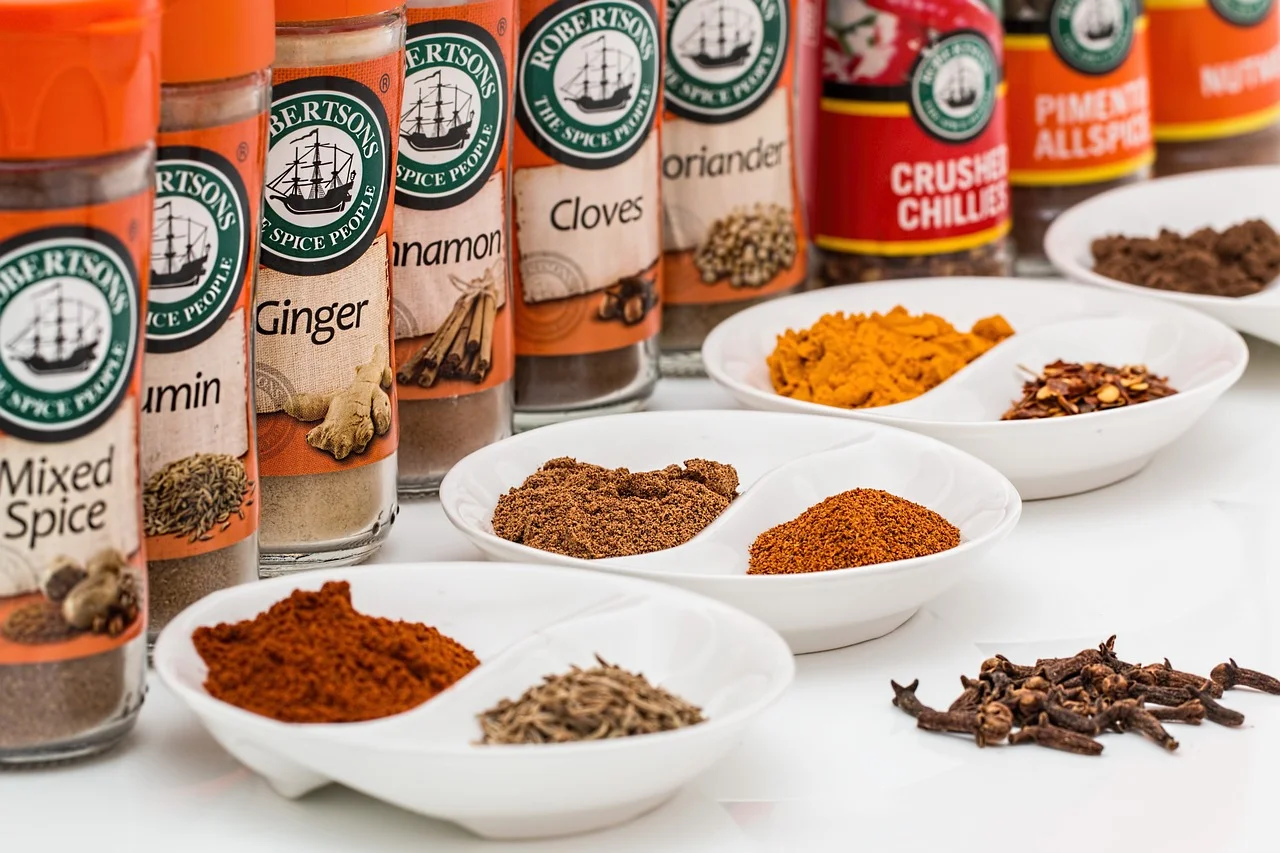
Introduction and Origins
Introduction to Adobo Seasoning
Adobo seasoning is a cornerstone of Latin American and Caribbean cuisines, celebrated for its versatility and complex flavor profile. This aromatic spice blend is used to enhance a wide array of dishes, from meats and seafood to vegetables and stews. For many, adobo seasoning is more than just a spice—it’s a symbol of culinary tradition and cultural heritage, deeply embedded in the daily meals and festive dishes of the regions where it is most prevalent.
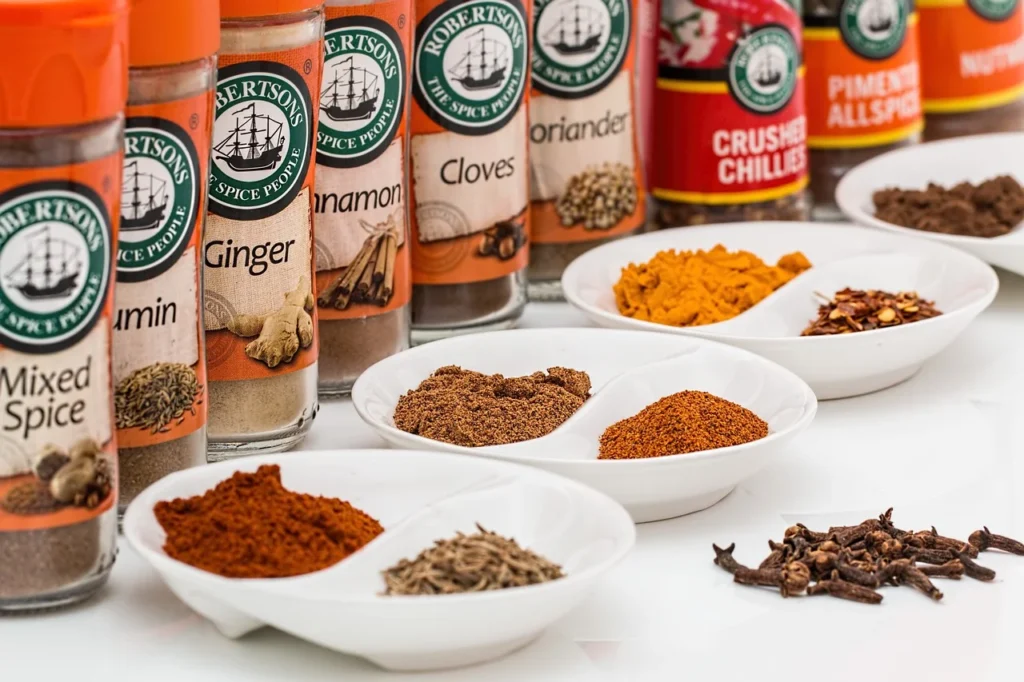
In its essence, adobo seasoning is a blend of various spices and herbs that combine to create a powerful, yet harmonious, flavor enhancer. Its ingredients typically include garlic, oregano, black pepper, and turmeric, though variations exist depending on regional preferences and family recipes. Adobo seasoning is prized for its ability to add depth and richness to dishes, making it a favorite in kitchens worldwide.
The cultural significance of adobo seasoning cannot be overstated. In many Latin American and Caribbean cultures, food is a central part of community and family life, with recipes passed down through generations. Adobo seasoning plays a crucial role in this culinary tradition, often being a secret family recipe that adds a unique touch to each dish it graces. Its widespread use and adaptability have made it a global culinary phenomenon, embraced by chefs and home cooks alike for its robust flavor and ease of use.
History and Origins of Adobo Seasoning
The origins of adobo seasoning can be traced back to the early days of the Spanish empire, where the term “adobo” was derived from the Spanish word adobar, meaning “to marinate” or “to pickle.” Initially, adobo referred to a method of preserving meat by marinating it in a mixture of vinegar, salt, and spices. This technique was crucial in an era before refrigeration, as it helped prevent spoilage and enhanced the flavor of the meat.
As Spanish explorers and colonists spread across the Caribbean and Latin America, they brought their culinary traditions with them, including the practice of using adobo as a preservative. Over time, local cultures began to adapt and modify the original Spanish adobo to suit their tastes and the ingredients available to them. This evolution led to the creation of the adobo seasoning we know today—a versatile spice blend that varies in composition and usage across different regions.
In Puerto Rico, for example, adobo seasoning evolved into a dry spice mix, often referred to as adobo seco. This version typically includes a base of garlic powder, oregano, and black pepper, with other ingredients like cumin and paprika added to create a distinct flavor profile. In Cuba, adobo might include a hint of citrus, reflecting the island’s abundant lime and sour orange crops.
In Mexico, adobo seasoning is closely associated with rich, smoky sauces made from ground chilies, garlic, and other spices. These adobo sauces are used to marinate meats before they are slow-cooked, resulting in deeply flavorful dishes like adobo chicken or pork. Meanwhile, in the Philippines, adobo seasoning took on a different form entirely. Here, adobo refers to a method of cooking where meat, usually chicken or pork, is marinated in a mixture of soy sauce, vinegar, garlic, and spices before being simmered until tender. The dish, known simply as adobo, is one of the most beloved and iconic Filipino dishes.
These regional variations highlight the adaptability of adobo seasoning and its ability to reflect the culinary identity of the cultures that use it. Despite its diverse forms and uses, the essence of adobo remains the same: it is a method of flavor enhancement that brings depth, richness, and complexity to food.
Types of Adobo Seasoning
Adobo seasoning comes in various forms, each with its unique characteristics and uses. The two most common types are the dry spice mix and the wet rub. Understanding these variations can help you choose the right type of adobo seasoning for your culinary needs.
Dry Spice Mix (Adobo Seco)
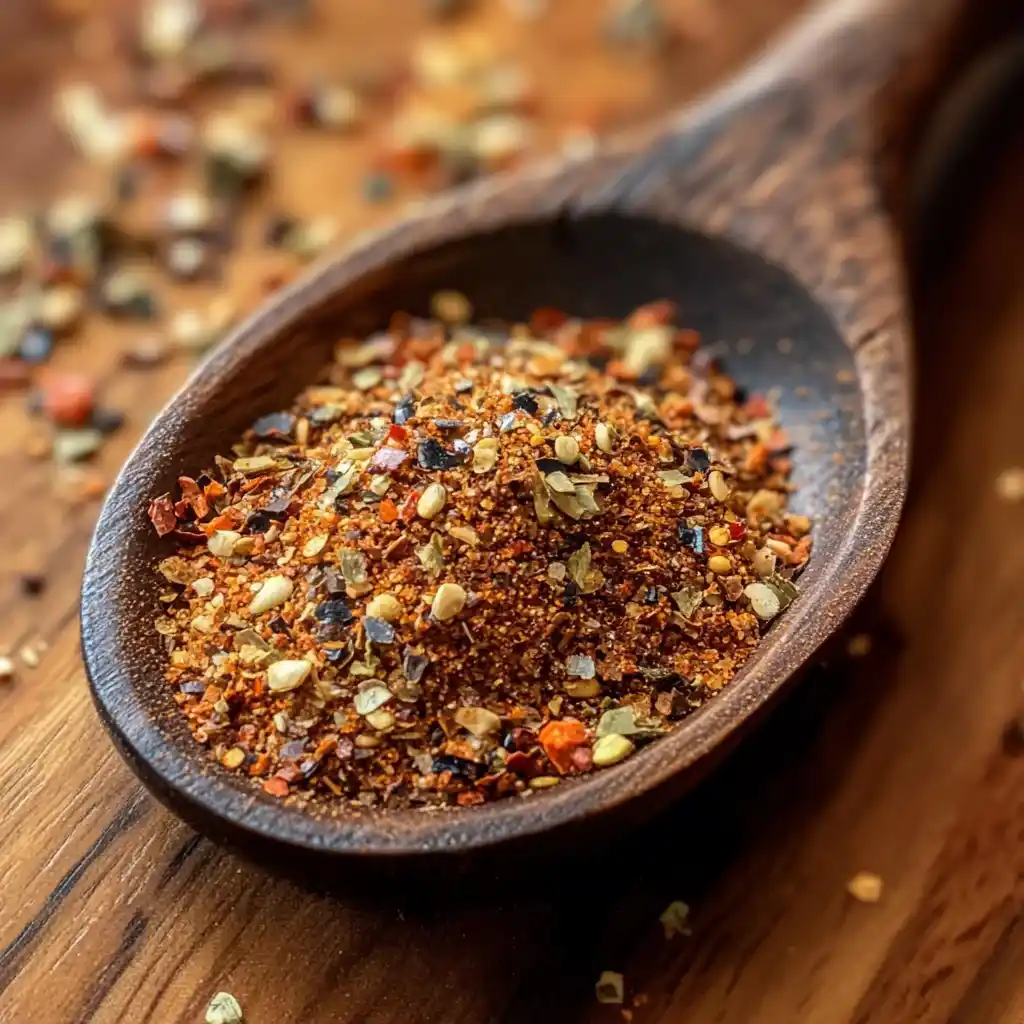
The dry spice mix, or adobo seco, is perhaps the most recognized form of adobo seasoning. It is a convenient and versatile blend of spices that can be used in a variety of dishes. The ingredients in a dry spice mix typically include garlic powder, onion powder, oregano, black pepper, turmeric, and sometimes paprika and cumin. The combination of these spices creates a balanced flavor profile that is both robust and aromatic.
- Common Ingredients:
The foundation of adobo seco is usually garlic powder and oregano, which provide a strong base of flavor. Black pepper adds a mild heat, while turmeric gives the mix a warm, earthy undertone and a golden color. Other spices like cumin and paprika are often included to add depth and complexity. The exact composition of adobo seco can vary, with some blends leaning more towards a savory profile, while others may have a hint of sweetness or smokiness. - Uses and Variations:
Adobo seco is incredibly versatile and can be used in a wide range of dishes. It is commonly used as a dry rub for meats, especially chicken, pork, and beef, where it helps to create a flavorful crust during cooking. It can also be sprinkled over vegetables before roasting or added to soups and stews to enhance their flavor. In some regions, adobo seco is even used as a seasoning for rice and beans, providing a simple way to elevate the taste of these staple foods.
Wet Rub (Adobo Mojado)
The wet rub, or adobo mojado, is a more traditional form of adobo seasoning that involves creating a paste using fresh ingredients. This version is often used as a marinade, where the wet mixture helps to infuse the food with intense flavors.
- Ingredients and Preparation:
A typical adobo mojado includes fresh garlic, vinegar, olive oil, and a selection of spices such as oregano, cumin, and black pepper. The garlic is usually minced or crushed using a mortar and pestle, which helps to release its full flavor. The vinegar and olive oil act as both a flavor enhancer and a tenderizer, making the meat more succulent. - Traditional Methods (Mortar and Pestle):
Traditionally, adobo mojado is prepared using a mortar and pestle, which allows the cook to grind the garlic and spices into a fine paste. This method not only ensures that the ingredients are well-blended but also helps to release the essential oils and aromas of the spices, resulting in a more flavorful marinade. - Modern Adaptations:
In modern kitchens, many people use a garlic press or blender to make adobo mojado, which is quicker and easier than the traditional method. Some variations of adobo mojado also include citrus juice or soy sauce, adding a fresh, tangy note or a rich umami flavor to the marinade.
Uses, Recipes, and Cultural Significance
Culinary Uses of Adobo Seasoning
Adobo seasoning is a culinary powerhouse, capable of transforming ordinary dishes into extraordinary meals. Its application varies widely, depending on the dish and the desired flavor profile.
- Marinating Meat, Chicken, and Fish:
One of the most popular uses of adobo seasoning is as a marinade for meat, chicken, and fish. The robust flavors of the spices penetrate the protein, making it tender and flavorful. For best results, marinate the meat for at least an hour, though longer marination times, such as overnight, can further enhance the taste. Whether grilling, roasting, or frying, adobo-seasoned meat is guaranteed to deliver a burst of flavor. In Mexican cuisine, for example, adobo is often used to marinate pork before slow-cooking it for tacos, creating a dish that is rich, tender, and bursting with flavor. - As a Base for Stews, Sauces, and Soups:
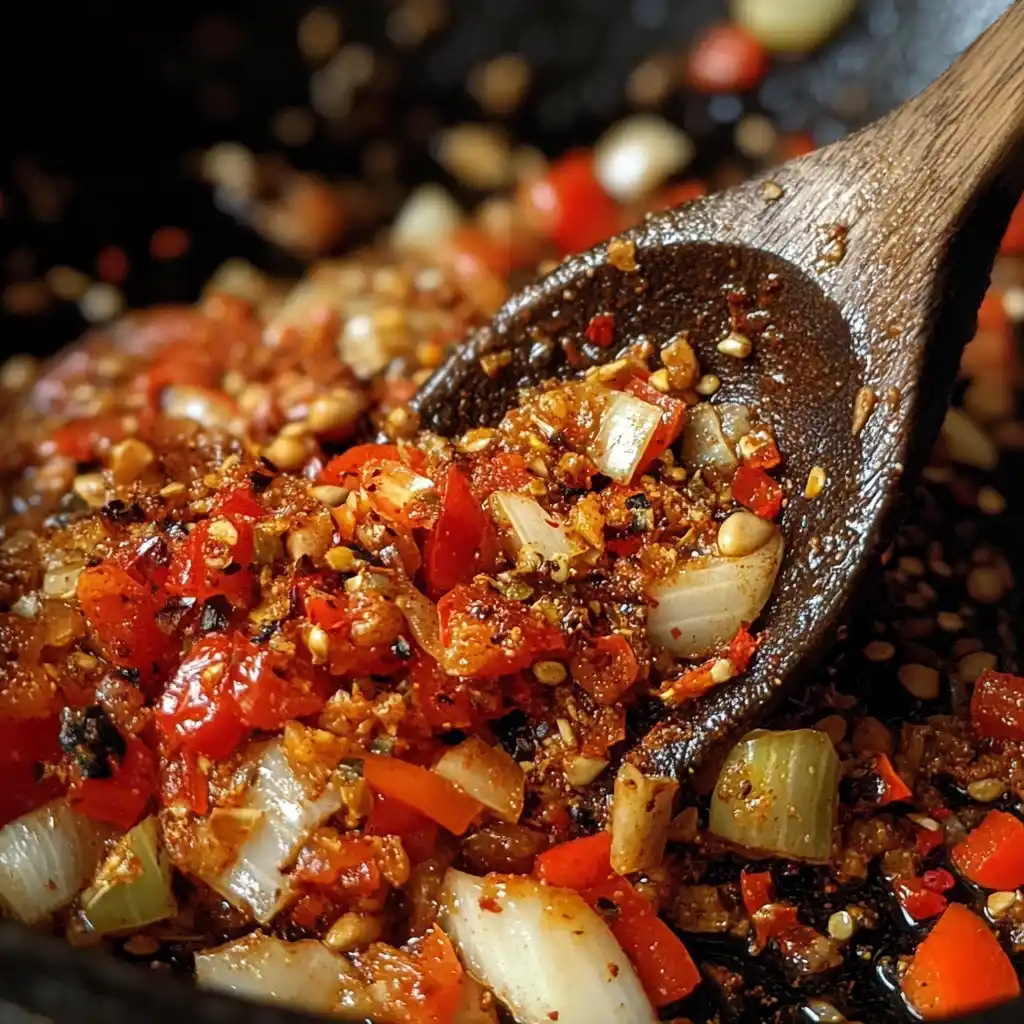
Adobo seasoning also shines as a base for stews, sauces, and soups. It adds a depth of flavor that can elevate even the simplest recipes. For instance, in Mexican cuisine, adobo is often used to create thick, spicy red sauces that pair beautifully with dishes like enchiladas and tamales. These sauces are made by blending dried chilies with garlic, spices, and sometimes tomatoes, creating a rich and smoky flavor that is both complex and satisfying. Meanwhile, in the Philippines, adobo refers to a method of cooking where meat or fish is marinated in a mixture of garlic, soy sauce, and vinegar before being simmered until tender. The resulting dish, known as Filipino adobo, is one of the most iconic and beloved dishes in Filipino cuisine. It is often served with rice, where the savory sauce seeps into the grains, making for a comforting and flavorful meal. - Regional Variations in Use:
The versatility of adobo seasoning is further demonstrated by its regional variations. For example, Mexican adobo sauces are typically thicker and spicier, often incorporating chili peppers to create a bold, red sauce. These sauces are used not only as a marinade but also as a cooking sauce, where meats are slowly simmered until they are infused with the rich, smoky flavors of the adobo. On the other hand, Filipino adobo is characterized by its tangy and savory flavor, achieved by marinating meat or fish in a mixture of garlic, soy sauce, and vinegar, then simmering it to perfection. The vinegar not only adds a tangy note but also acts as a preservative, making the dish ideal for the tropical climate of the Philippines. Other variations of adobo can be found throughout the Caribbean and Latin America, each reflecting the local ingredients and culinary traditions of the region. For those looking to create a complete meal, consider exploring some perfect pairings with steak to serve alongside your adobo-seasoned dishes.
How to Make Homemade Adobo Seasoning
Creating your own adobo seasoning at home is simple and rewarding. Not only does it allow you to customize the flavor to your liking, but it also ensures that you’re using fresh ingredients. Whether you prefer a dry spice mix or a wet rub, making adobo seasoning at home is a great way to elevate your cooking.
Dry Spice Mix (Adobo Seco)
To make a dry spice mix, you’ll need the following ingredients:
- 2 tablespoons garlic powder
- 1 tablespoon onion powder
- 1 tablespoon dried oregano
- 1 tablespoon ground black pepper
- 1 teaspoon turmeric
- 1 teaspoon ground cumin
- 1 teaspoon paprika
- 1 teaspoon salt (optional)
Instructions:
- Combine all ingredients in a bowl.
- Mix well until evenly distributed.
- Store the mix in an airtight container, and keep it in a cool, dry place for up to six months.
This homemade adobo seco can be used as a rub for meats or sprinkled onto vegetables before roasting. It’s a versatile seasoning that adds a burst of flavor to any dish. The mix can also be adjusted to suit your taste preferences—add more paprika for a smokier flavor, or increase the amount of cumin for a warmer, earthier taste.
Wet Rub (Adobo Mojado)
For a wet rub, you’ll need:
- 4 cloves garlic, minced
- 2 tablespoons olive oil
- 1 tablespoon vinegar
- 1 teaspoon oregano
- 1 teaspoon ground cumin
- 1 teaspoon black pepper
- Juice of one lime (optional)
Instructions:
- In a mortar and pestle, crush the garlic with the oregano and black pepper until a paste forms.
- Add the olive oil, vinegar, and lime juice, if using.
- Mix until well combined.
Use this wet rub to marinate meat, allowing it to sit for at least an hour before cooking. This method ensures the flavors penetrate deeply, resulting in a more flavorful dish. The wet rub is especially effective for tougher cuts of meat, as the acidity from the vinegar and lime juice helps to tenderize the meat while infusing it with rich, garlicky flavor.
Health Benefits and Nutritional Information
Adobo seasoning is not only delicious but also offers some health benefits, thanks to the nutritious ingredients it contains. When made at home with fresh ingredients, adobo seasoning can be a healthy addition to your diet.
- Nutritional Profile:
The ingredients commonly found in adobo seasoning, such as garlic, oregano, and turmeric, are packed with vitamins and minerals. Garlic is a rich source of vitamin C, vitamin B6, and manganese, all of which are important for maintaining good health. Oregano is high in antioxidants and contains compounds that have been shown to have anti-inflammatory and antibacterial properties. Turmeric, another key ingredient in many adobo blends, is renowned for its anti-inflammatory properties, which can be beneficial for overall health. According to Healthline, turmeric has been linked to a variety of health benefits, including reducing the risk of heart disease, improving brain function, and even helping to prevent cancer. - Health Benefits:
Turmeric, a key ingredient in many adobo blends, has been linked to a variety of health benefits. The active compound in turmeric, curcumin, is known for its powerful anti-inflammatory and antioxidant effects. These properties make turmeric an excellent addition to a diet focused on reducing inflammation and promoting overall health. Additionally, garlic, another common ingredient, is known for its immune-boosting properties. Garlic has been shown to help prevent and reduce the severity of common illnesses like the flu and common cold. It also has cardiovascular benefits, including lowering blood pressure and reducing cholesterol levels. However, it’s important to note that commercial adobo seasoning blends can be high in sodium, which is a concern for people with high blood pressure or those looking to reduce their salt intake. Making your own adobo seasoning at home allows you to control the amount of salt and other additives, ensuring that you’re getting a healthier, more natural product.
Frequently Asked Questions (FAQ)
- What is adobo seasoning made of?
Adobo seasoning typically includes garlic, oregano, black pepper, turmeric, and sometimes cumin and paprika. The exact blend can vary based on regional preferences, with some versions incorporating additional spices like onion powder, chili powder, or even citrus zest. - Can I use adobo seasoning as a rub?
Yes, adobo seasoning works wonderfully as a dry rub for meats, poultry, and fish. It can also be used as a wet rub when mixed with oil and vinegar. This makes it a versatile seasoning that can be used in a variety of cooking methods, from grilling and roasting to slow-cooking and braising. - How long should I marinate meat with adobo seasoning?
For best results, marinate the meat for at least one hour. For a deeper flavor, consider marinating overnight. This allows the spices to fully penetrate the meat, resulting in a more flavorful and tender dish. The length of time needed for marination can vary depending on the type of meat and the cooking method. For example, tougher cuts of beef may benefit from a longer marination time, while delicate fish fillets may only need a short marination to avoid overpowering the natural flavor of the fish. - Is adobo seasoning gluten-free?
Most homemade adobo seasoning blends are gluten-free, but it’s important to check the labels of commercial blends to ensure they don’t contain any gluten-containing additives. Some commercial spice blends may include anti-caking agents or other additives that contain gluten. If you’re following a strict gluten-free diet, making your own adobo seasoning at home is the best way to ensure it’s safe for you to consume. - What dishes can I make with adobo seasoning?
Adobo seasoning is incredibly versatile. You can use it to season grilled meats, enhance soups and stews, or even as a base for sauces. For inspiration, you might want to explore more Latin American recipes that utilize this flavorful spice mix. Some popular dishes that feature adobo seasoning include Mexican adobo chicken, Filipino adobo pork, and Puerto Rican adobo rice. Each of these dishes showcases the unique flavors of adobo seasoning in a different way, demonstrating its versatility and wide appeal. If you’re looking to complement your adobo-flavored dishes with a classic pairing, consider trying the ultimate steak and potatoes guide for a satisfying meal.
This guide provides an in-depth look at adobo seasoning, offering insights into its origins, variations, and culinary applications. Whether you’re looking to recreate traditional dishes or experiment with new flavors, adobo seasoning is a must-have in any kitchen. Its rich history and cultural significance, combined with its incredible versatility, make it a valuable addition to any cook’s spice collection.